
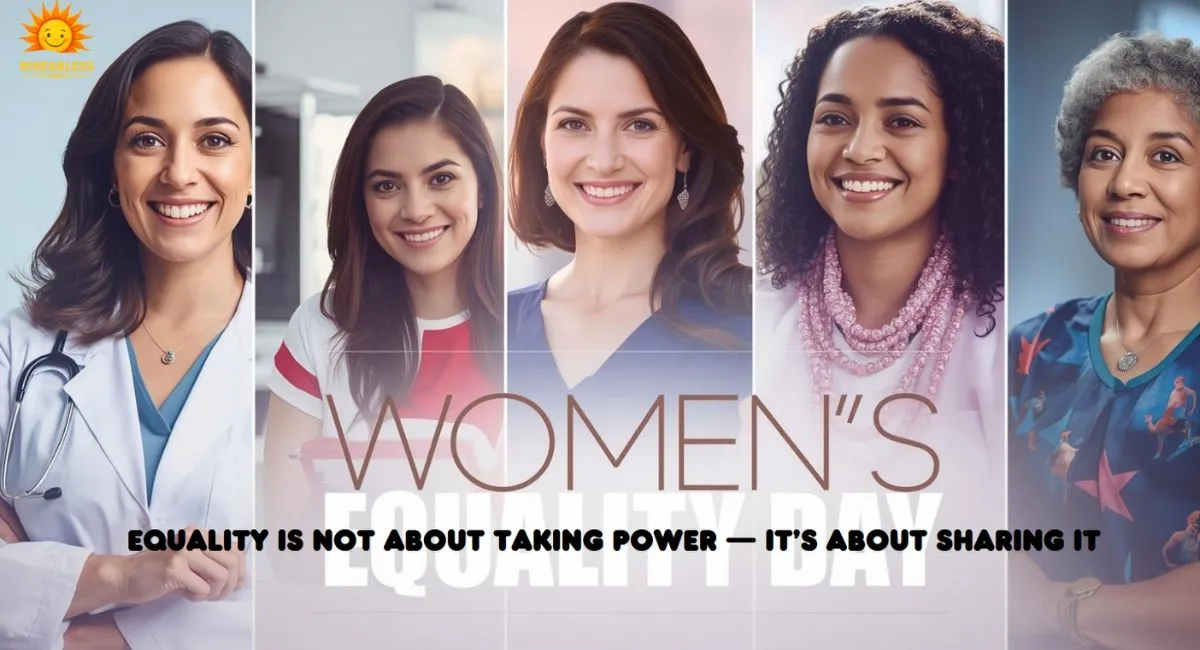
Women’s Equality Day, observed annually on August 26, is a significant milestone in the history of women’s rights activism in the United States. It commemorates the ratification of the 19th Amendment, which granted women’s right to vote, and honors the tireless efforts of suffragists, reformers, and activists who fought for gender equality. This day not only celebrates past achievements but also highlights the ongoing struggles women face in society, including wage inequality, workplace discrimination, and underrepresentation in leadership roles. From the historic Women’s Strike for Equality in 1970 to modern advocacy for women in the workplace and female political leaders, August 26 serves as a reminder that the fight for women’s empowerment continues.
What Is Women’s Equality Day and Why It Matters
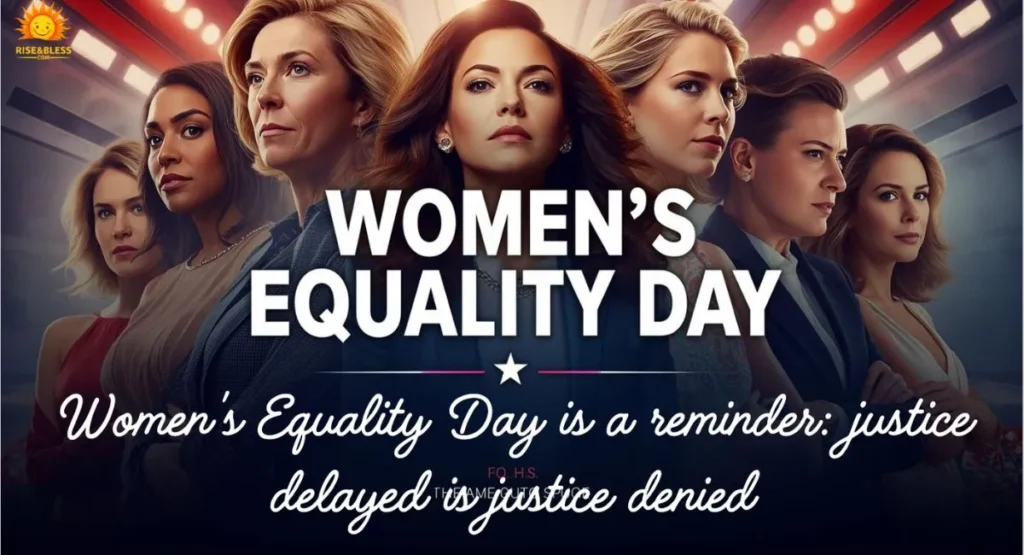
Women’s Equality Day marks the anniversary of the 19th Amendment, ratified in 1920, granting women the right to vote in the United States. This day serves as a celebration of women’s suffrage and a reminder of the power of collective activism. It highlights the work of the feminist movement, which has fought tirelessly to challenge systemic gender-based discrimination in all areas of life—from education and politics to women in leadership and the workforce. Observing this day encourages society to support female entrepreneurs, honor trailblazing women in history, and continue advancing gender equality milestones in the United States.
History of Women’s Equality Day
The roots of Women’s Equality Day can be traced back to the early 19th century, when prominent activists like Susan B. Anthony and Elizabeth Cady Stanton began campaigning for women’s right to vote. The Seneca Falls Convention of 1848 marked a historic starting point, bringing national attention to women’s suffrage and the broader women’s rights movement. Over decades, suffragists tirelessly lobbied Congress and state legislatures, overcoming immense social and political resistance. Finally, in 1920, the 19th Amendment was ratified, marking a pivotal victory in the fight for gender equality.
However, while the amendment granted voting rights to many women, women of color continued to face barriers due to discriminatory state laws. Figures such as Mary Church Terrell, Ida B. Wells-Barnett, and Harriet Tubman played crucial roles in advocating for the voting rights of women of color, ensuring that the fight for equality remained inclusive and intersectional.
Joint Resolution of Congress (1971)
In 1971, Bella Abzug, a pioneering female political leader, introduced a resolution in the U.S. Congress designating August 26 as Women’s Equality Day. The resolution was inspired by the Women’s Strike for Equality, organized in 1970 by Betty Friedan and the National Organization for Women (NOW). This strike united women across the political spectrum to demand equal opportunities in education and employment, as well as access to 24-hour childcare centers. Congress approved the resolution in 1973, authorizing the President to issue an annual proclamation honoring women’s achievements and ongoing efforts toward gender equality.
Women’s Rights Movement – From Protest to Policy
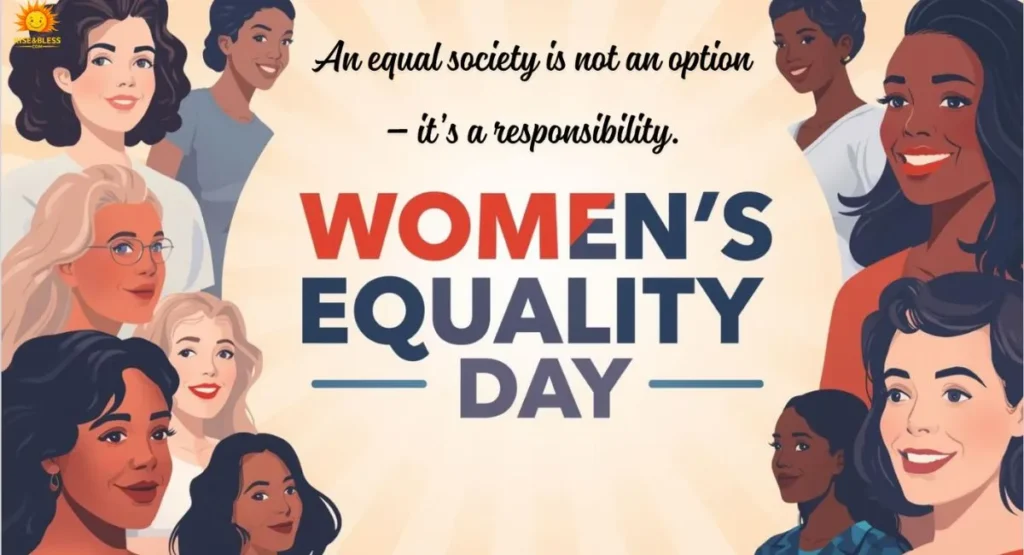
The women’s liberation movement evolved from grassroots activism into a nationwide campaign influencing public policy. Early efforts included strikes, marches, and demonstrations—most notably the Women’s Strike for Equality of 1970, which spanned over 90 cities nationwide. These collective actions led to significant legal and social reforms, such as:
Passage of the Equal Rights Amendment (ERA)
Landmark Supreme Court rulings like Roe v. Wade
Implementation of Title IX, prohibiting sex-based discrimination in federally funded educational programs
Expansion of opportunities for women in STEM and leadership roles
The feminist movement also gave rise to the creation of women’s studies programs, which played a critical role in educating generations about the history, achievements, and ongoing struggles of women.
Influential Women Who Shaped Equality
The history of Women’s Equality Day is inseparable from the achievements of remarkable women who transformed society:
Susan B. Anthony and Elizabeth Cady Stanton: Champions of women’s suffrage and founding members of key organizations like the National Woman Suffrage Association
Betty Friedan: Author of The Feminine Mystique and founder of NOW, advancing women in the workplace and social reforms
Kamala Harris: The first female and woman-of-color Vice President, symbolizing the continued progress of female political leaders
Amelia Earhart: Trailblazer in aviation and women’s empowerment
Rosa Parks: Civil rights icon demonstrating the interconnected struggle of race and gender in America
These leaders remind us that achieving gender equality requires both courage and persistence across generations.
Women of Color and the Ongoing Struggle for Equality
While Women’s Equality Day commemorates the 19th Amendment, it is crucial to recognize that women of color often faced continued barriers to voting, education, and employment. Leaders such as Mary Church Terrell, Ida B. Wells-Barnett, and Harriet Tubman fought to secure voting rights and broader representation for marginalized women. Today, the fight continues against persistent gender pay gaps, underrepresentation in leadership, and systemic discrimination. Recognizing the contributions of women of color ensures that the feminist movement remains inclusive, intersectional, and effective in addressing all forms of inequality.
Women’s Equality Day Timeline and Key Milestones
Key historical milestones in the fight for women’s rights include:
July 19-20, 1848: Seneca Falls Convention sparks the suffrage movement
January 10, 1878: Woman Suffrage Amendment introduced
August 26, 1920: Ratification of the 19th Amendment, granting women’s right to vote
August 26, 1970: Women’s Strike for Equality, organized by Betty Friedan and NOW
1971-1973: Congress officially designates Women’s Equality Day
January 20, 2021: Kamala Harris becomes the first female and woman-of-color Vice President
This timeline highlights the steady progress toward women’s empowerment and the continued relevance of celebrating gender equality today.
How to Celebrate Women’s Equality Day
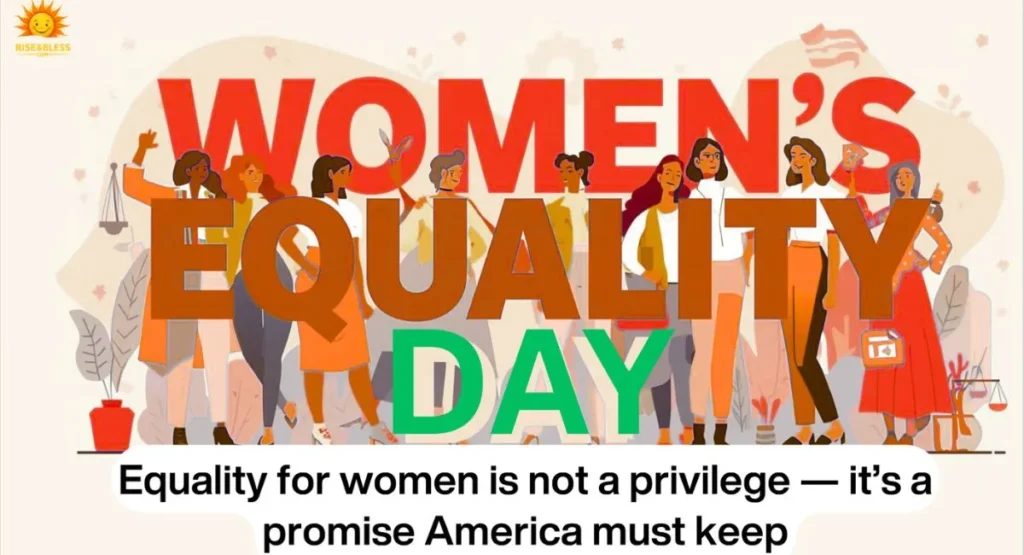
Observing Women’s Equality Day can be impactful both personally and publicly. Some ways to celebrate include:
Thanking influential women in your life for their contributions
Supporting women-owned businesses and female entrepreneurs
Educating yourself on women’s rights activism and historical milestones
Participating in workshops, seminars, and online discussions on gender equality
Registering to vote to honor the sacrifices made for women’s suffrage
Such actions help connect the historical significance of Women’s Equality Day with modern advocacy for women in leadership and empowerment.
Fascinating Facts About Women’s Equality
Women in the military have served in critical roles, from combat to medical services
Only one female Medal of Honor recipient: Dr. Mary Edwards Walker
Women in STEM remain underrepresented despite decades of progress
Globally, women face persistent wage inequality and gender-based discrimination
Women of color continue breaking barriers in politics, education, and leadership
These facts highlight both achievements and ongoing challenges in the fight for gender equality.
Why Women’s Equality Day Still Matters Today
Despite monumental progress, challenges persist. Gender pay gaps, underrepresentation in leadership, and systemic discrimination remain major concerns. Women’s Equality Day serves as a reminder to celebrate strides made while committing to continued advocacy for women in the workplace, female entrepreneurs, and women of color. This day is both a celebration and a call to action to continue the legacy of courage, activism, and women’s empowerment in all spheres of life.
FAQ’s:
When was the first Women’s Equality Day?
Officially recognized by the U.S. Congress in 1973.
Why is August 26 important?
It marks the anniversary of the 19th Amendment certification, granting women the right to vote.
How can I celebrate at work?
Give recognition to female colleagues, share women’s achievements, or host events highlighting women’s empowerment.
Why do we celebrate Women’s Equality Day?
We celebrate it to honor the ratification of the 19th Amendment and the ongoing fight for gender equality.
Why is August 26th called Women’s Equality Day?
August 26 marks the day in 1920 when women in the U.S. were granted the right to vote.
What is the theme for Women’s Equality Day 2026?
The theme focuses on empowering women, celebrating achievements, and advancing gender equality.
Why is August 26th celebrated?
It commemorates women’s historic suffrage victory and recognizes their continued contributions to society.
How can I support women’s equality?
Support women-owned businesses, advocate for equal rights, and raise awareness about gender-based discrimination.
What is significant about August 26?
It symbolizes both the 19th Amendment ratification and the enduring fight for women’s empowerment.
.

Sifat Ullah Khan shares inspiring blessings, motivational quotes, and positive messages to help people start their day with faith and gratitude. With a passion for spreading kindness and hope, he creates uplifting content that encourages readers to live with joy, peace, and purpose.